
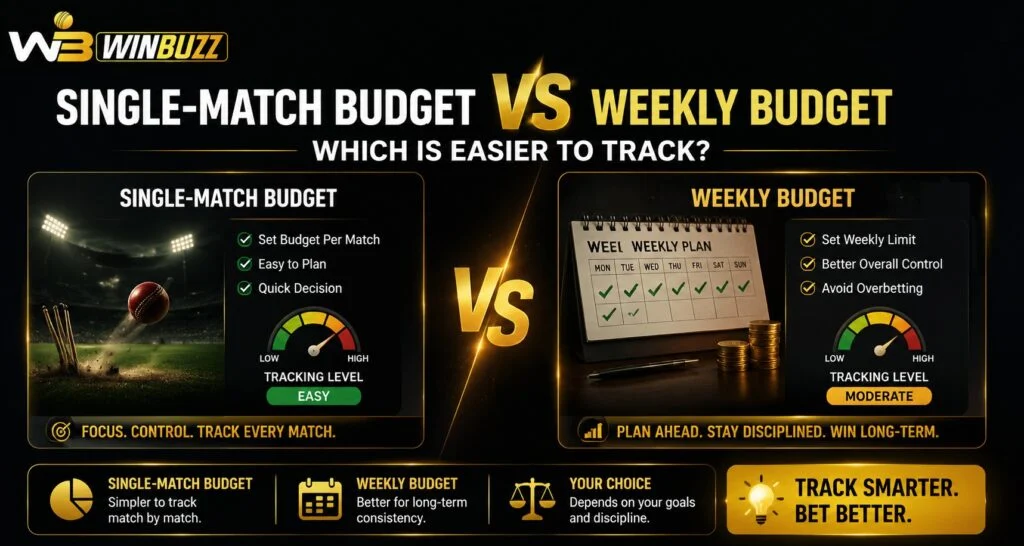
Managing a planned budget is an important part of maintaining control over any activity that involves spending decisions. When following sports markets, users may choose different methods to organise their limits, such as setting a budget for one match or creating a broader weekly plan. Winbuzz users can benefit from understanding the difference between these approaches and how each method helps with tracking decisions more effectively.
A clear budget structure makes it easier to review activity, identify patterns, and maintain better awareness of spending habits. Both single-match and weekly budgets have their own advantages depending on personal preferences and goals.
What Is a Single-Match Budget?
A single-match budget is a fixed amount assigned to one specific event. Instead of planning across multiple days, users decide their limit before following a particular match.
For example:
- Setting a fixed limit for one cricket match
- Reviewing the outcome after the event ends
- Avoiding additional decisions outside the planned amount
This method focuses on short-term tracking and makes it easier to see how one event affected the overall plan.
Advantages of a Single-Match Budget
A single-match approach can be easier for users who prefer simple tracking.
Benefits include:
Clear Event-Based Tracking
Users can easily identify how much was allocated for one match and compare it with the final result.
Easier Review Process
After the match ends, users can review:
- Planned amount
- Actual usage
- Decisions made
- Final outcome
Better Focus
A match-specific budget reduces confusion because the limit applies only to one event.
Users accessing their accounts after Winbuzz Login may find this approach easier when they prefer keeping records on an individual match basis.
What Is a Weekly Budget?
A weekly budget covers multiple events over a specific period. Instead of setting separate limits for every match, users create one overall plan for several days.
A weekly budget may include:
- Multiple cricket matches
- Different sports events
- A complete review period
- A fixed overall limit
This approach focuses on broader planning rather than individual events.
Advantages of a Weekly Budget
A weekly budget can provide a wider view of activity.
Benefits include:
Better Long-Term Tracking
Users can review overall patterns across several events instead of focusing on one match.
Flexible Planning
A weekly limit allows users to decide how to distribute their planned amount across different events.
Easier Overall Review
At the end of the week, users can analyse:
- Total planned amount
- Total usage
- Decision patterns
- Areas for improvement
Single-Match Budget vs Weekly Budget: Key Differences
Both methods have different tracking styles.
Single-Match Budget
- Focuses on one event
- Easier to monitor immediately
- Provides quick feedback
- Suitable for users who prefer simple records
- Reduces confusion between different matches
Weekly Budget
- Covers multiple events
- Provides broader tracking
- Helps review longer patterns
- Requires more organisation
- Needs regular monitoring
The better option depends on how users prefer to organise their activity.
Which Budget Method Is Easier to Track?
For many beginners, a single-match budget may feel easier because it has a clear start and end point. Users can quickly understand what was planned and compare it with what actually happened.
A weekly budget may require more attention because multiple events are combined into one tracking period. However, it can provide a better overview for users who prefer analysing longer-term patterns.
Factors to Consider Before Choosing a Budget Style
Users should consider their own tracking habits before choosing a method.
Important questions include:
- Do I prefer reviewing individual events?
- Do I want a broader weekly overview?
- Can I maintain regular records?
- Which method helps me stay organised?
Choosing a method that matches personal habits makes tracking more practical.
How Digital Tools Help With Budget Tracking
Technology has made it easier to monitor account activity and review previous records. Features available through the Winbuzz App can help users access account information and organise their activity more efficiently.
Useful tracking features may include:
- Activity history
- Transaction records
- Account summaries
- Personal settings
These tools help users maintain better awareness of their chosen budgeting approach.
Building Better Budget Management Habits
A good tracking system is based on consistency. Whether using a single-match or weekly method, users should maintain clear records and regularly review their decisions.
Helpful practices include:
- Setting limits before starting
- Reviewing previous activity
- Avoiding unplanned changes
- Maintaining organised records
- Adjusting plans when necessary
Users managing their Winbuzz ID can benefit from understanding that effective tracking depends on discipline and consistency.
Conclusion
Both single-match and weekly budgets offer useful ways to organise activity. A single-match budget is often easier to track because it focuses on one event, while a weekly budget provides a broader view across multiple activities.
The right approach depends on individual preferences and tracking habits. By choosing a clear budgeting method and reviewing activity regularly, users can maintain better awareness and make more organised decisions.
FAQs
What is a single-match budget?
A single-match budget is a fixed limit created for one specific event or match.
What is a weekly budget?
A weekly budget is a planned limit that covers multiple events over a set period.
Which budget is easier for beginners to track?
Many beginners find single-match budgets easier because they focus on one event at a time.
Can users combine both budgeting methods?
Yes. Some users may use single-event limits while also maintaining a broader weekly overview.
Why is budget tracking important?
Tracking helps users review activity, understand patterns, and maintain better organisation.
How can digital tools help with budgeting?
Digital tools can provide activity records, summaries, and information that makes tracking easier.


